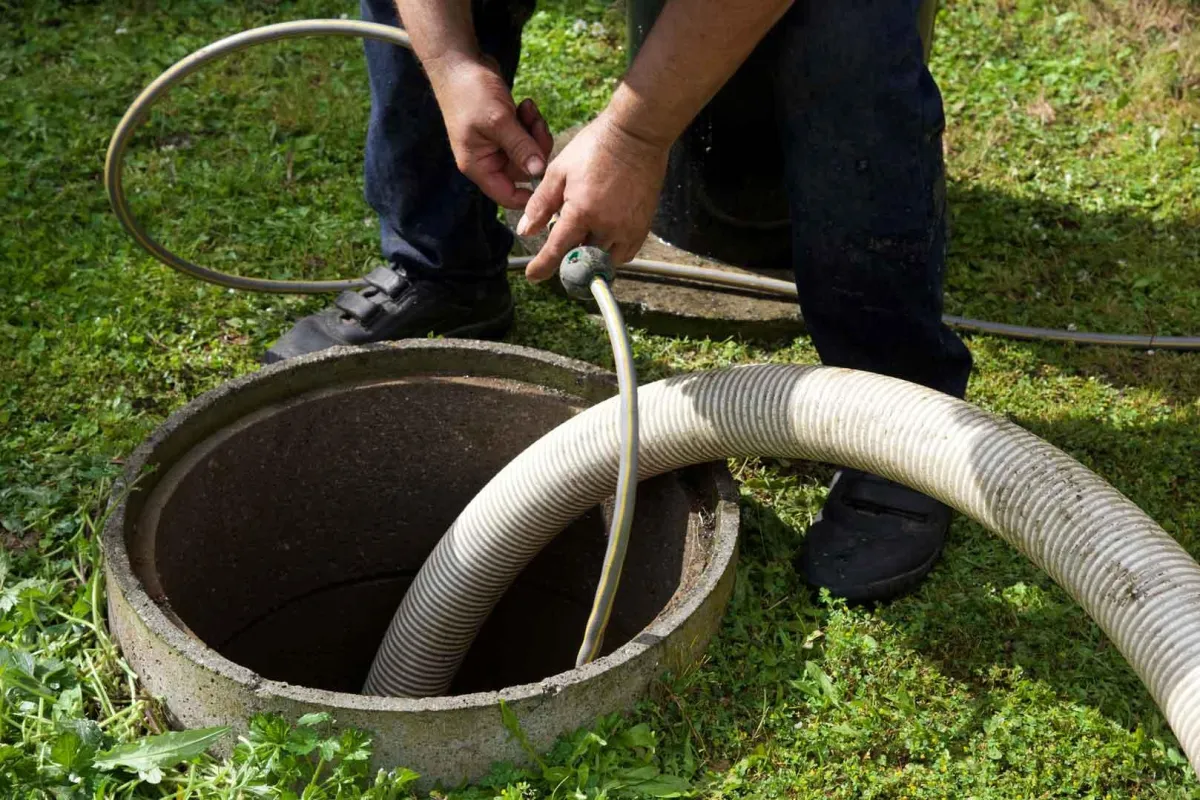
Ignoring Septic Pumping near Wake County, NC Can Lead to Costly Repairs
If you own a home with a septic system in Wake County, chances are septic pumping is not something you think about very often. It is buried underground, out of sight, and usually out of mind. Life is busy. Work, family, bills, and home projects already take enough mental space. Septic pumping often feels like something you can push off until later.
Most homeowners we talk to feel the same way. You might be thinking, “Nothing smells. Drains seem fine. Why mess with it now?” That thought makes sense. Septic systems usually fail quietly at first. The fear comes later, when something backs up, the yard turns soggy, or the house smells wrong. By that point, the damage is already happening.
At Absolute Septic LLC, based in Smithfield and serving Wake and Johnston County, we see this pattern all the time. Homeowners are not careless. They just were never clearly told what ignoring septic pumping can lead to or how expensive those repairs can become. This article walks through exactly what happens when septic pumping is skipped and why routine maintenance often saves homeowners in Wake County from major financial stress.

Why So Many Wake County Homeowners Put Off Septic Pumping
Septic pumping does not feel urgent until it suddenly is. Many homes in Wake County go years without any obvious warning signs. The system keeps working just enough to hide the buildup inside the tank.
Another reason people delay is uncertainty. Homeowners are not always sure how often pumping is needed or whether their usage really calls for it. Some were told by a previous owner that the tank was “just pumped recently,” but no one can remember when that actually was.
Cost also plays a role. It is easy to see septic pumping as an expense rather than protection. When nothing seems broken, spending money on maintenance can feel unnecessary. Unfortunately, this mindset is exactly what leads to the most expensive septic repairs we see.
What Septic Pumping Actually Does and Why It Matters More Than You Think
Septic pumping removes the solid waste and sludge that builds up inside your septic tank over time. This waste does not disappear on its own. Bacteria break some of it down, but not all of it.
As sludge levels rise, there is less room for wastewater to separate properly. When the tank becomes too full, solids can move into areas they should never reach, including the drain field and septic lines.
Septic pumping resets the system. It gives wastewater room to settle correctly and protects the parts of your system that are far more expensive to repair or replace.
How Long You Can Really Go Without Septic Pumping in Wake County Soil Conditions
Soil matters. Wake County has a mix of clay-heavy soils and areas with slower drainage. These conditions make proper septic function even more important.
In homes with clay soil, wastewater moves more slowly through the drain field. When solids escape the tank due to skipped pumping, they clog the soil faster and cause long-term damage.
Household size also matters. A family of four generates far more wastewater than a couple living alone. Garbage disposals, long showers, and frequent laundry all speed up sludge buildup.
There is no single schedule that fits every home. That is why customized septic pumping plans matter so much in this area.
Early Warning Signs Your Septic Tank Is Overdue for Pumping
Septic problems rarely appear all at once. They show up quietly.
You might notice drains slowing down, toilets flushing differently, or faint odors near the tank or yard. Grass over the drain field may look greener or grow faster than surrounding areas.
These signs are not minor. They are warnings that the system is under stress. Ignoring them often turns a manageable pumping visit into a costly repair.
What Happens Inside Your Septic System When Pumping Is Ignored
Inside the tank, sludge rises slowly. As levels increase, the tank stops separating solids and liquids the way it should.
Once solids pass the baffles, they move toward the drain field. That is where real damage begins. Drain fields are designed for liquid only. Solids clog soil pores and prevent proper absorption.
This damage cannot be undone with pumping alone once it reaches a certain point.
Septic Backups and Indoor Plumbing Damage Caused by Skipped Pumping
When wastewater has nowhere to go, it comes back toward the house. This leads to backups in sinks, tubs, and toilets.
Beyond the mess, wastewater exposure creates health risks. Flooring, drywall, and cabinetry can absorb contamination, leading to expensive cleanup and replacement.
These situations often happen suddenly and require emergency service, which costs far more than planned septic pumping near Wake County, North Carolina.
Drain Field Failure: The Most Expensive Consequence of Ignoring Septic Pumping
Drain field failure is one of the costliest septic issues homeowners face. Once solids clog the soil, wastewater stops absorbing properly.
Symptoms include standing water, sewage odors, and soggy ground. At that point, pumping alone will not fix the issue.
Drain field repairs or replacements involve excavation, permitting, and major disruption to the property. In many cases, this damage started years earlier due to skipped pumping.
How Sludge Buildup Leads to Broken Baffles and Tank Damage
Baffles guide wastewater flow inside the tank. When sludge levels rise too high, baffles take extra stress.
Broken baffles allow solids to exit the tank unchecked. Tank walls can also crack or weaken under excess buildup.
Tank repairs are far more expensive than routine pumping and can shorten the life of the entire system.
Septic Line Clogs, Collapses, and Repairs Linked to Poor Maintenance
Septic lines carry waste between the home, tank, and drain field. When solids move beyond the tank, lines can clog or become damaged.
Older pipes are especially vulnerable. Repairs often require digging through yards, driveways, or landscaping.
Many line issues we inspect trace back to years of skipped septic pumping.
Why Emergency Septic Repairs in Wake County Cost So Much More Than Routine Pumping
Emergency calls come with urgency. Crews must respond quickly, sometimes after hours, and repairs often involve multiple components.
Permits, inspections, and environmental concerns add time and cost. Homeowners also face stress and disruption during emergencies.
Routine septic pumping near Wake County, North Carolina avoids most of these situations entirely.
The Role of Septic Pumping in Preventing Health and Environmental Risks
Failing septic systems can contaminate groundwater and nearby water sources. This poses health risks to families and neighbors.
Odors and surface wastewater attract pests and create unsanitary conditions. These issues can also draw attention from local authorities.
Proper pumping protects both your household and the surrounding community.
How Local Usage, Household Size, and Habits Affect Pumping Schedules
Every home uses water differently. Larger families, frequent guests, and home businesses increase septic demand.
High water usage shortens the time between pumping visits. Customized schedules ensure systems are serviced before damage occurs.
This is why Absolute Septic LLC focuses on tailored plans rather than one-size-fits-all recommendations.
Common Myths About Septic Pumping That Cost Wake County Homeowners Thousands
One common myth is that septic systems only need pumping when there is a problem. By then, damage is often already done.
Another myth is that additives replace pumping. They do not remove sludge and can create false confidence.
Understanding the truth behind these myths saves homeowners significant money.
Why “Waiting Until There’s a Problem” Is the Most Expensive Strategy
Waiting shifts septic care from prevention to damage control. Repairs escalate quickly once failure begins.
Planned maintenance costs far less than emergency excavation, plumbing repairs, and property restoration.
How Often Septic Pumping Is Recommended for Homes in Wake and Johnston Counties
Most homes need pumping every three to five years, but many need it sooner.
Factors include tank size, soil type, water usage, and household habits. Regular inspections help fine-tune schedules.
What a Professional Septic Pumping Visit Should Include
A proper visit includes inspecting tank levels, checking baffles, and identifying early signs of wear.
Pumping alone without inspection misses opportunities to prevent future repairs.
How Customized Septic Pumping Schedules Save Money Long Term
Customized schedules prevent overfilling and protect drain fields and lines.
They reduce emergency repairs and extend system life.
When Septic Repairs Are Still Avoidable and When They’re Not
Early intervention makes most repairs avoidable. Once drain fields fail, options become limited and costly.
How Preventive Septic Pumping Protects Your Home’s Value
A failing septic system lowers property value and complicates home sales.
Documented maintenance reassures buyers and inspectors.
Final Thoughts: Why Staying Ahead of Septic Pumping Is the Smartest Move for Wake County Homeowners
Ignoring septic pumping does not save money. It delays costs until they grow larger and more stressful.
At Absolute Septic LLC, we help homeowners avoid expensive repairs by focusing on education, customization, and long-term system health. Routine septic pumping near Wake County, North Carolina is not just maintenance. It is protection for your home, your property, and your peace of mind.


